7 Essential Fireplace Maintenance Tips Every Homeowner Should Know
Fireplaces add warmth, charm, and comfort to homes across the United States and Canada. Whether wood-burning, gas, or electric, a fireplace creates a cozy atmosphere while supplementing home heating during cold months. However, fireplaces also demand consistent upkeep to ensure safety, efficiency, and long-term reliability. Neglecting maintenance can lead to soot buildup, poor ventilation, and even fire hazards.
This guide outlines seven essential fireplace maintenance tips that every homeowner should know. Each section offers practical steps and factual insights to help maintain your fireplace in top condition all year.
1. Schedule Annual Inspections
An annual inspection is the foundation of safe fireplace operation. Certified chimney sweeps or HVAC professionals can detect problems early, such as cracks, blockages, or deteriorating components. According to the National Fire Protection Association (NFPA), fireplaces and chimneys should be inspected at least once a year, regardless of how often they are used.
A professional inspection includes checking the chimney liner, damper, flue, and ventilation system. Technicians also assess the firebox for structural damage or corrosion. If you rely heavily on your fireplace during winter, scheduling inspections both before and after the season is wise.
Regular inspections identify issues such as creosote buildup, animal nests, or moisture intrusion that can pose serious safety risks. When necessary, scheduling fireplace repair and maintenance by a professional company ensures that minor problems don’t escalate into costly structural repairs or fire hazards.
2. Keep the Chimney and Flue Clean
Creosote, a byproduct of burning wood, gradually builds up inside the chimney. This sticky, highly flammable residue can ignite and cause chimney fires if left unchecked. Even gas fireplaces can accumulate soot and residue over time.
Homeowners should visually check for soot or black streaks around the chimney opening. However, cleaning the flue and chimney interior requires specialized brushes and vacuum systems best handled by professionals. Chimney cleaning frequency depends on usage, but generally:
- For frequent wood-burning use: once every 50–70 burns.
- For occasional seasonal use: at least once per year.
In Canada and northern U.S. states, where fireplaces run longer during harsh winters, biannual cleaning may be necessary. Keeping the flue and chimney clear enhances draft efficiency, ensures smoke exits safely, and prevents carbon monoxide buildup indoors.
3. Maintain Proper Airflow and Ventilation
Efficient fireplaces rely on proper airflow. Restricted airflow leads to incomplete combustion, producing more smoke and carbon monoxide. Always ensure the damper is fully open before starting a fire, and close it only once the fire is completely out.
For wood-burning fireplaces, stacking wood correctly helps maintain airflow. Use a mix of seasoned hardwood and softwood, ensuring logs are dry and spaced apart to allow oxygen circulation. Avoid using wet or unseasoned wood, as it creates excess smoke and accelerates creosote formation.
In gas fireplaces, vents and exhaust pipes must remain unobstructed. If you notice slow ignition or irregular flame patterns, this could signal a blocked vent or dirty burner that requires professional servicing. Good airflow keeps combustion clean and efficient, reducing emissions and heat loss.
4. Inspect and Replace Damaged Components
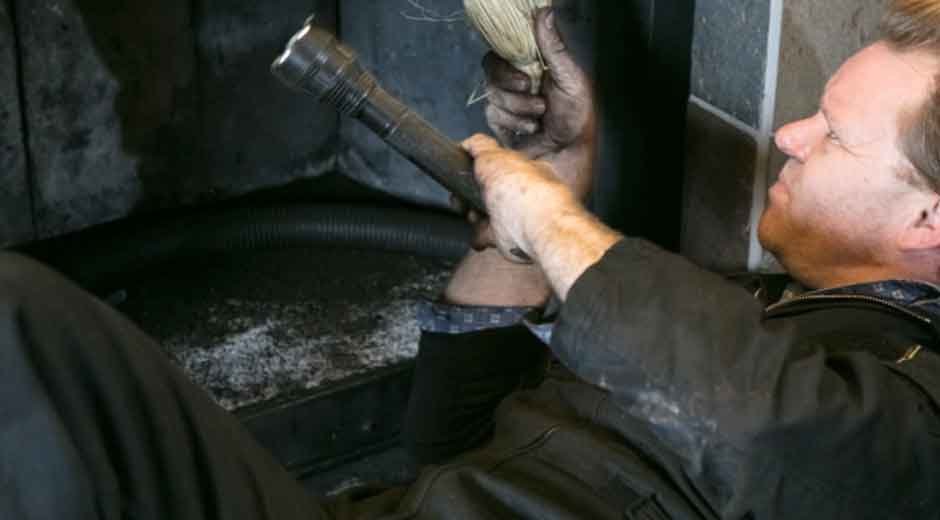
Every part of your fireplace contributes to safe operation. Inspecting these components periodically prevents failures that could lead to safety risks or inefficient heating.
- Firebox: Look for cracks, gaps, or loose bricks. These allow heat to escape and damage surrounding structures.
- Damper: Ensure it opens and closes smoothly. A faulty damper can let heat escape when not in use or restrict airflow during burning.
- Chimney cap: Prevents debris, rain, and animals from entering. Replace or repair if damaged or missing.
- Glass doors and seals: For gas and electric fireplaces, check seals and gaskets for wear. Broken glass or gaps can affect heat distribution and safety.
Routine maintenance extends component lifespan and prevents expensive repairs. For electric or gas fireplaces, always follow the manufacturer’s maintenance schedules.
5. Use the Right Fuel and Firewood
The type of fuel you use directly impacts fireplace efficiency, air quality, and maintenance needs. For wood-burning fireplaces, choose seasoned hardwoods such as oak, maple, or birch. These burn hotter and cleaner than softwoods like pine, which produce more creosote and soot.
Avoid burning treated or painted wood, as these release toxic chemicals when heated. Never burn household waste, cardboard, or plastics.
Gas fireplaces should only operate with approved natural gas or propane systems. If your gas fireplace emits soot or unusual odours, it may indicate incomplete combustion or a dirty burner assembly. Contact a technician immediately for evaluation.
Proper fuel selection reduces emissions, lowers maintenance frequency, and improves heating efficiency.
6. Check Smoke and Carbon Monoxide Detectors
Even with perfect maintenance, safety devices are crucial. Smoke and carbon monoxide detectors should be installed near every fireplace and throughout the home. Carbon monoxide is odourless and invisible, making it especially dangerous.
Test detectors monthly, replace batteries twice a year, and replace the entire unit every 7–10 years. Smart detectors with mobile alerts provide real-time warnings, particularly useful for large or multi-level homes.
If your fireplace is older or used frequently, consider installing a dedicated carbon monoxide monitor near the hearth. It offers an additional safeguard against harmful gas leaks.
7. Schedule Regular Professional Maintenance
Professional maintenance ensures your fireplace operates at peak performance. Experts perform deep cleaning, inspect seals, check ventilation systems, and identify issues beyond visual inspection.
Benefits of annual professional servicing include:
- Improved energy efficiency and heat output.
- Early detection of leaks, blockages, or structural deterioration.
- Compliance with insurance and safety requirements.
- Extended lifespan of the fireplace system.
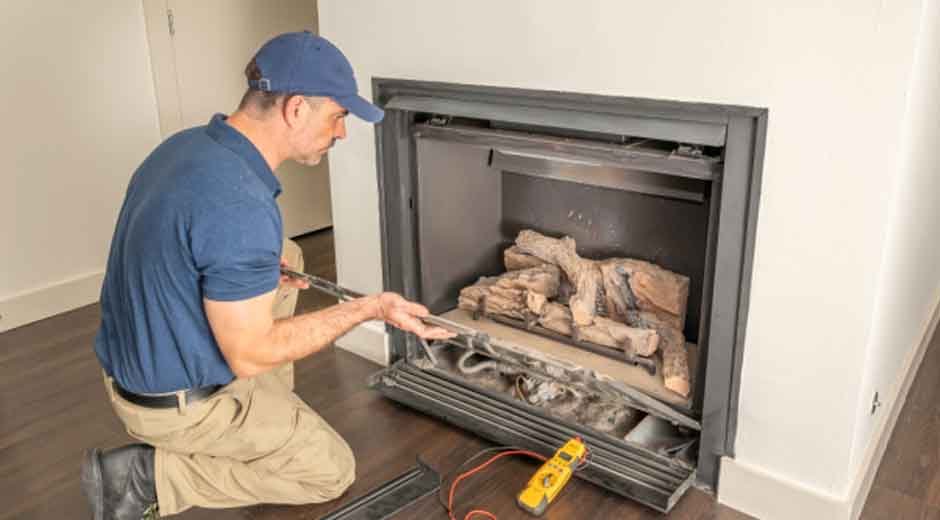
In both the U.S. and Canada, professional fireplace maintenance services are widely available, and many offer combined chimney, furnace, and vent inspections for complete home safety. Scheduling service before winter ensures your fireplace is ready for the season without last-minute delays.
Fireplace maintenance is an essential part of responsible homeownership. Regular inspection, cleaning, and professional servicing keep your fireplace running efficiently while protecting your home from hazards like chimney fires and carbon monoxide leaks.
By following these seven practical tips, homeowners can enjoy a safe, warm, and energy-efficient fireplace throughout the cold months. Whether you live in Minnesota, Ontario, or anywhere in between, maintaining your fireplace is an investment in comfort and peace of mind.