Holding Negligent Parties Accountable After a Fatal Accident
Losing a member of your family is a devastating experience. When that loss is sudden, unexpected, and caused by someone else’s carelessness, the pain is often mixed with confusion, anger, and a profound sense of injustice. In the midst of your grief, you are suddenly faced with overwhelming questions about the future. How will the bills be paid? Who is responsible for this tragedy? What are your family’s rights?
The weight of these legal and financial concerns on top of your personal loss can feel impossible to bear. This article is here to provide support and clarity. Its purpose is to serve as a straightforward guide to understanding wrongful death claims in Paterson, New Jersey. We will walk you through what constitutes a valid claim, who is legally permitted to file, and what you can expect from the process, offering clear answers when you need them most.
What is Legally Considered a “Wrongful Death” in New Jersey?
Under state law, the definition of wrongful death is very specific. New Jersey law defines it as a death caused by the “wrongful act, neglect or default of another.” In simpler terms, this means that if the person who passed away could have filed a personal injury lawsuit for their injuries had they survived, their surviving family members now have legal grounds to pursue a wrongful death claim.
To provide a firm legal foundation, New Jersey’s wrongful death statute is found at N.J. Stat. Ann. § 2A:31-1. The core of any successful claim built upon this statute is proving that another person’s, company’s, or entity’s negligence was the direct cause of the fatal incident. It is the legal mechanism for holding the responsible party accountable for the consequences of their actions.
Common Incidents That Lead to Wrongful Death Claims in Paterson
While the legal definition is important, it can be helpful to see how it applies to real-world situations. In and around Paterson, these tragic events can arise from many different circumstances. The key is that negligence was a factor.
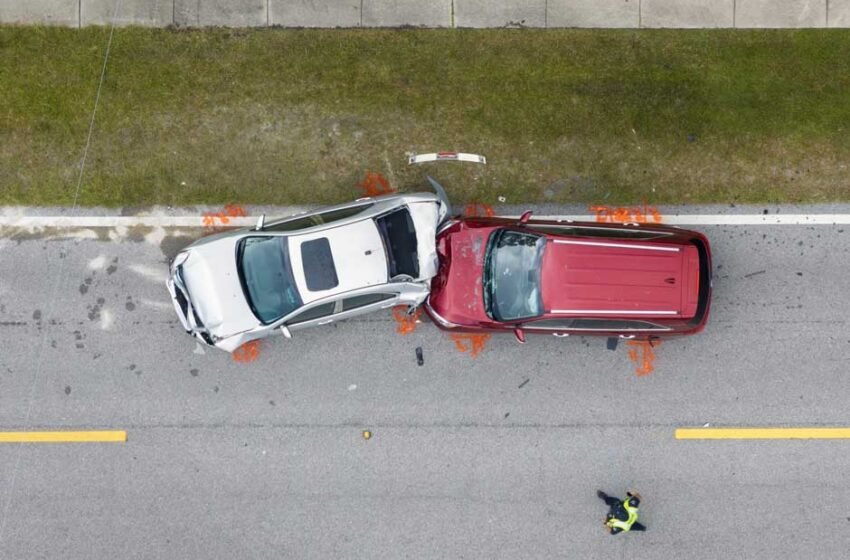
Common scenarios include catastrophic truck accidents on major thoroughfares like I-80 or Route 46, devastating multi-car pileups, or motorcycle and pedestrian accidents on busy local streets. Medical errors at hospitals or clinics, such as surgical mistakes, birth injuries, or a failure to diagnose a critical condition, can also lead to fatal outcomes. Other frequent causes of wrongful death claims include severe workplace accidents, particularly those involving what OSHA calls the “Fatal Four” (falls, electrocutions, struck-by-object, and caught-in/between incidents), fatal slip and falls on poorly maintained commercial or private property, and deaths caused by dangerously defective products.
These incidents are tragically common. In New Jersey, there were 701 car accident deaths reported in 2022 alone. Because the details of every case are unique, understanding your family’s specific rights is a critical first step that often involves consulting an experienced wrongful death lawyer. This level of professional insight is necessary to cut through the complexities of liability laws, ensuring that evidence is preserved and that the legal burden of proving negligence doesn’t fall on a family already dealing with a devastating loss.
The 4 Elements Required to Prove Negligence in a Wrongful Death Case
To successfully hold a party accountable, your claim must prove four specific legal elements. It isn’t enough to know that someone was careless; you must legally establish how that carelessness led directly to your loved one’s death. These four elements are Duty of Care, Breach of Duty, Causation, and Damages.
A straightforward example illustrates this: a driver has a legal duty to other motorists to stop at a red light. By running the red light, they breach that duty. This breach directly causes a fatal crash (causation), which results in devastating financial and emotional losses for the victim’s family (damages). Gathering the evidence needed to prove each of these four points is the most critical part of building a strong and successful case.
Table: The Four Elements of Negligence
| Element | Description |
|---|---|
| Duty of Care | The defendant had a legal responsibility to act with a certain level of care toward the deceased. |
| Breach of Duty | The defendant failed to meet that responsibility through their negligent actions or inaction. |
| Causation | This breach of duty was the direct and proximate cause of the victim’s death. |
| Damages | The death resulted in specific, quantifiable losses for the surviving family members. |
Who Has the Right to File a Wrongful Death Lawsuit?
One of the most common points of confusion for grieving families is understanding who is legally allowed to take action. In New Jersey, the claim is not filed directly by a spouse or child. Instead, it must be initiated by the “personal representative” of the deceased person’s estate. This individual is often named as the executor or administrator in the deceased’s will.
This representative acts as a fiduciary, filing the lawsuit on behalf of the surviving heirs or dependents who have suffered losses. These beneficiaries are typically the surviving spouse, children, or parents of the deceased.
It’s also important to briefly distinguish between two types of related claims. A “wrongful death claim” seeks compensation for the family’s losses, such as lost income and companionship. A “survival action” is a separate claim made to recover damages for the pain and suffering the deceased person experienced before their death. An experienced attorney can pursue both claims simultaneously. If a personal representative was not named in a will, a lawyer can help your family navigate the process of having one appointed through the Passaic County Surrogate’s Court.
What Compensation Can Your Family Recover?
The sudden death of a family member brings not only emotional devastation but also immense financial strain. A wrongful death claim is designed to provide financial stability for your family’s future by recovering compensation, also known as “damages,” for your losses. These damages are typically separated into two main categories.
Economic damages are intended to cover the direct financial and monetary losses your family has suffered. This includes:
- Medical expenses incurred between the final injury and death.
- Funeral and burial costs.
- The value of lost wages and benefits the deceased would have earned.
- The loss of the deceased’s future earning capacity.
Non-economic damages compensate the family for the profound personal and emotional losses that do not have a precise dollar value. This includes recovery for the loss of:
- Companionship and emotional support.
- Care, guidance, and advice.
- Household services, such as childcare, maintenance, and financial management.
In very rare cases where the defendant’s conduct was exceptionally reckless or malicious, a court may also award punitive damages. These are not meant to compensate the family but to punish the wrongdoer and deter similar behavior in the future.
Conclusion
No amount of money or legal action can ever replace your loved one or undo the pain of your loss. However, holding a negligent party accountable through a wrongful death claim can provide a vital sense of justice and the financial stability your family needs to move forward. The legal system provides this path to help ensure that families are not left with the financial burdens caused by another’s carelessness.
As we’ve discussed, a wrongful death claim exists to support families after a death caused by negligence. It requires proving specific legal elements, is open to certain family members, and is governed by a strict two-year deadline.
Most importantly, you do not have to navigate this complex and painful journey alone. Seeking professional legal guidance can help you understand your options and protect your family’s future without any pressure or obligation.