How to Prevent and Remove Mould in Humid Rental Homes
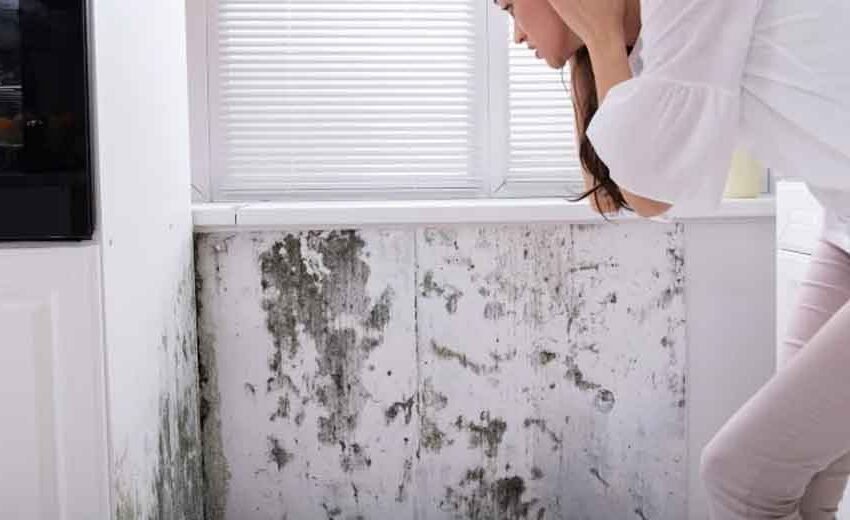
Mould loves nothing more than a warm, damp corner to claim as its own. In rental homes, though, that unwelcome guest can quickly turn from a small annoyance into a big headache.
Still, with the right habits and a touch of consistency, keeping your home fresh and mold-free isn’t nearly as daunting as it seems.
Understand Why Mould Takes Over
Mould flourishes in the same snug conditions that people often enjoy during the colder months, when warm air stays trapped indoors and fresh air rarely circulates.
As condensation gathers on chilly walls and window panes, it quietly creates the perfect setting for mould to spread. Kitchens, bathrooms, and laundry spaces are especially prone to trouble, as steam and lingering dampness provide it everything it needs to thrive.
Once mould settles in, it releases tiny spores that can affect breathing, irritate allergies, and leave once-fresh walls looking dull and tired. The damage goes beyond appearance, which is why landlords treat it as a sign of neglect.
A clean, dry home, on the other hand, reflects good care and makes end-of-tenancy inspections far smoother.
Ultimately, moisture is the real culprit. By keeping air flowing, reducing humidity, and tackling dampness early, you’ll make your home a far less appealing place for mould to grow and a much more comfortable one to live in.
Let Fresh Air Work Its Magic
It sounds simple, but opening a window is one of the most powerful anti-mould actions you can take. Even a few minutes each morning can make a real difference.
Letting crisp air sweep through humid rooms clears away trapped moisture before it has a chance to settle.
In winter, it can feel counterintuitive to open windows when heating is on, yet quick bursts of ventilation actually help rooms stay warmer in the long run. Dry air heats more efficiently than damp air.
A portable fan or dehumidifier also works wonders, especially in homes without much airflow. For small flats, a compact dehumidifier can quietly collect the water vapour that would otherwise feed mould.
Extractor fans deserve attention too. Run them after a shower or while cooking, and leave them on for a few extra minutes to chase away lingering steam.
If the fan filters look tired or dusty, give them a clean so they can breathe properly. Over time, these simple habits keep your rooms fresher and your windows clearer.
Defeat Condensation Before It Breeds Trouble
Condensation is sneaky. You often notice it only when droplets gather on windows or trickle down cold tiles. Those droplets are pure mould fuel, so catching them early is key.
Keep a microfibre cloth handy to wipe them away each morning. It takes seconds and keeps frames and sills from absorbing damp.
Furniture placement also matters more than most people realise. If wardrobes or sofas sit tightly against walls, moisture gets trapped behind them. Pulling them just a few centimetres forward lets the air circulate, preventing dark patches and musty smells.
For homes where condensation appears daily, inexpensive insulation film can make windows feel less cold and limit moisture build-up.
On tiled surfaces or painted walls, a quick spritz of vinegar and water once a week adds an extra layer of defence. The scent fades quickly, and it naturally discourages mould from returning.
These small habits, done regularly, turn damp-prone rooms into healthy spaces that look and feel cared for.
Keep It Clean the Simple Way
It takes consistency rather than endless scrubbing to keep mould at bay. Weekly cleaning with the right products saves a lot of stress later on.
Anti-mould sprays are easy to find and surprisingly effective, though a homemade mix of vinegar and water can do the job just as well. Spray, leave it for a few minutes, then wipe with a clean cloth. It’s safe, cheap, and kinder to surfaces.
If mould does appear, resist the urge to panic. Mix baking soda with a little water to form a gentle paste, spread it over the patch, and scrub lightly before rinsing.
Baking soda not only removes the mould but also leaves a faint residue that helps stop it from growing again.
For more difficult situations, hydrogen peroxide (the typical 3% solution found in pharmacies) is an excellent option. Just spray, let it sit for ten minutes, and then rinse.
Bathrooms deserve special attention since they never truly stay dry. After every shower, run the extractor fan, open the window if possible, and quickly wipe down tiles or glass screens.
Wash bath mats and curtains often, as they can harbour invisible spores. Regular care keeps the space looking bright and ensures that familiar clean, soapy scent lingers instead of the unpleasant must of mildew.
Prepare for a Mould-Free Move-Out
Even with the best intentions, mould can be stubborn. When that happens, it’s perfectly reasonable to call in help.
Professional cleaners have stronger products and the right gear to tackle hidden patches behind tiles or beneath window seals. Booking a visit before your tenancy ends ensures no surprises during inspection.
This is where an affordable end-of-tenancy cleaning service proves invaluable. They handle the deep cleaning that can feel overwhelming, leaving the property spotless from floor to ceiling.
Not only does it help you avoid deductions from your deposit, but it also shows respect for the next tenant. There’s quiet satisfaction in knowing the home you’re leaving looks and smells genuinely fresh.
Before handing over the keys, take one last slow walk through the rooms. Look behind furniture, around windows, and in bathroom corners for any signs of dampness.
At this stage, a quick wipe or spray can significantly improve the condition of the rental. That final check communicates care and makes the whole moving process far smoother.
And for those staying put, these same routines keep your rental comfortable and welcoming all year round. There’s nothing quite like stepping into a space that feels dry, clean, and lived-in rather than stuffy or stale.
Conclusion
Mould loves a neglected corner, but it doesn’t stand a chance against good habits.
Keep the air moving, clean with care, and let sunlight do the rest. Soon, you’ll find your home feels lighter, fresher, and far easier to look after.