How to Find the Right Luxury Home Based on Lifestyle, Location, and Long-Term Value
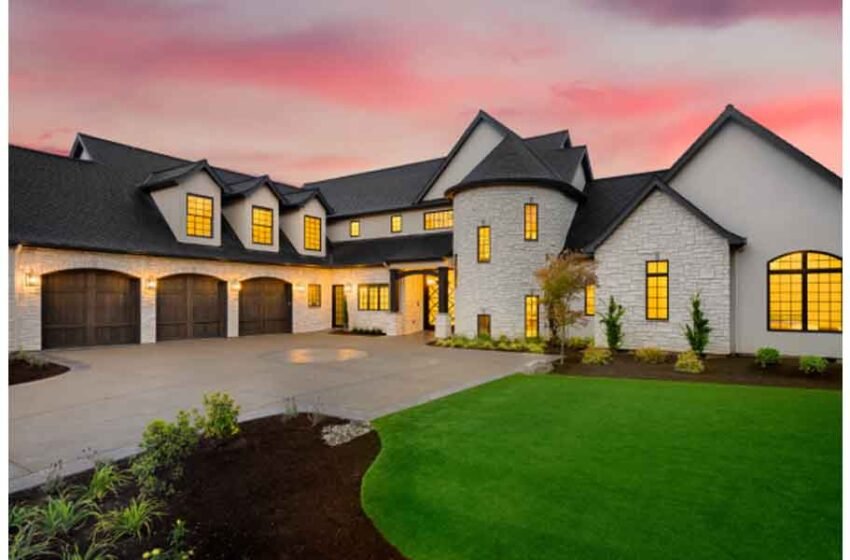
Finding the right luxury home requires more than comparing price points or selecting the most visually impressive property. For luxury buyers, the decision involves aligning lifestyle priorities, location quality, and long-term financial considerations. Luxury properties are evaluated as complete living environments, where comfort, privacy, quality, and future value all play critical roles. A structured approach helps buyers avoid costly missteps and focus on homes that truly support how they live today and how they plan to live tomorrow.
Because of the complexity of the high-end market, many buyers choose to search for luxury homes by top real estate agent who understands nuanced market dynamics and buyer expectations. This approach can provide access to deeper insights, more explicit comparisons, and a more informed evaluation process when identifying the right luxury home.
What Truly Defines a Luxury Property Beyond Price
Luxury is not defined solely by cost. Two properties with similar price tags can offer vastly different levels of value, livability, and long-term appeal. Luxury buyers focus on qualitative factors that elevate daily living and protect future resale potential.
Here are key characteristics that define luxury properties:
- Prime or strategically desirable locations
- Architectural integrity and timeless design
- High-quality materials and craftsmanship
- Privacy, security, and space
- Exclusive or thoughtfully integrated amenities
The right luxury home feels intentional. Buyers often recognize quality through subtle design decisions rather than overt displays of scale or expense.
Aligning the Right Luxury Home With Lifestyle Priorities
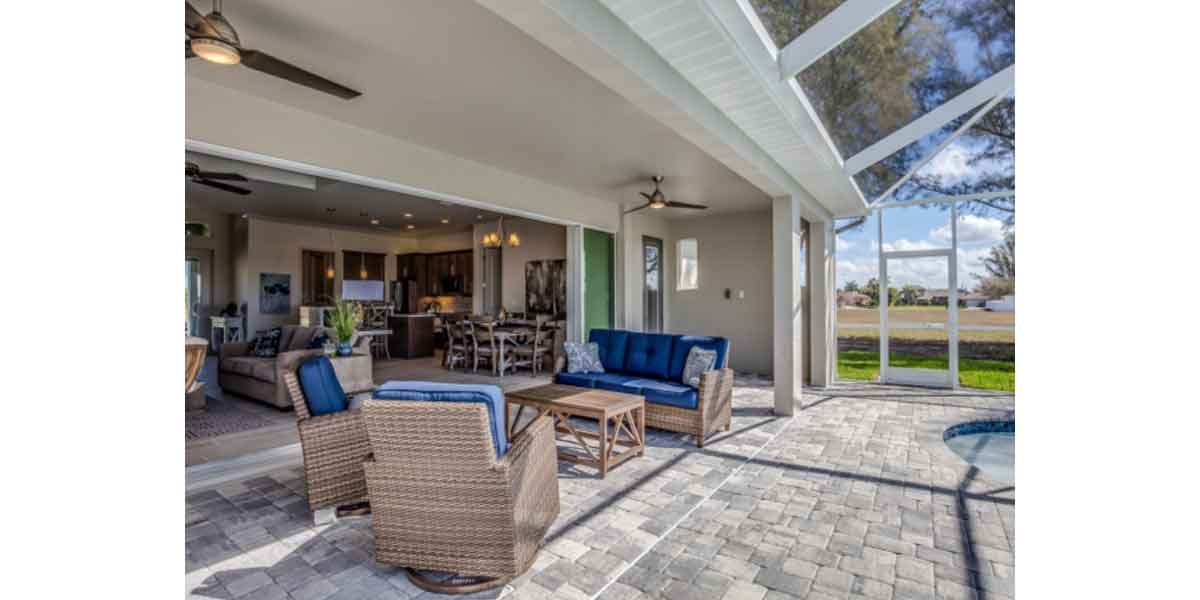
Choosing the right luxury home starts with defining how the property should function day-to-day while supporting lasting comfort, flexibility, and personal priorities.
Identifying Must-Have Features Versus Preferences
Luxury buyers benefit from clearly distinguishing between essential features and personal preferences. This clarity helps narrow options without eliminating properties that could meet long-term needs.
The following are common must-have considerations:
- Bedroom and bathroom configurations
- Privacy requirements
- Entertaining versus quiet living spaces
- Accessibility or aging-in-place planning
Preferences such as decor style or minor layout elements are easier to modify after purchase. The right luxury home should first satisfy core functional needs.
Evaluating Daily Living and Long-Term Comfort
Luxury properties should support how buyers actually live, not just how homes are presented. Buyers increasingly assess flow, storage, acoustics, and natural light.
Important comfort considerations are:
- Logical separation of private and public spaces
- Noise control between rooms
- Climate consistency throughout the home
Luxury buyers who prioritize livability experience greater long-term satisfaction with their purchase. This satisfaction comes from homes that reduce daily friction, adapt well to changing needs, and maintain comfort without requiring frequent modifications or costly adjustments.
Privacy, Space, and Lifestyle Balance
Privacy is a defining feature for many luxury buyers. This extends beyond lot size to include sightlines, landscaping, and neighbourhood density.
The ideal luxury home balances:
- Seclusion without isolation
- Space without inefficiency
- Accessibility without exposure
Luxury properties that achieve this balance retain a stronger appeal across different buyer profiles. Homes that thoughtfully manage privacy, scale, and accessibility are more likely to resonate with both current and future luxury buyers, supporting broader marketability over time.
Location Analysis and Neighbourhood Evaluation
Location is one of the most influential factors in determining whether a property truly qualifies as the right luxury home. Beyond prestige or name recognition, luxury buyers must assess neighbourhood dynamics, long-term desirability, and subtle variations that affect lifestyle quality and future resale performance.
Understanding Micro-Markets Within Luxury Areas
Luxury neighbourhoods are rarely uniform. Even within the same postal code, property values and buyer demand can vary significantly.
Luxury buyers frequently evaluate:
- Proximity to cultural, dining, or recreational hubs
- School quality and access to services
- Traffic patterns and future development plans
Location quality remains one of the strongest predictors of long-term value when selecting the right luxury home.
Reviewing Neighbourhood Stability and Growth
Buyers should assess whether a luxury area is established, evolving, or approaching saturation. Each scenario carries different implications for appreciation and lifestyle.
Factors to review:
- Recent sales trends
- New construction activity
- Infrastructure investments
Homes in stable luxury neighbourhoods demonstrate more predictable resale performance.
Community Standards and Buyer Demographics
Luxury buyers benefit from understanding who else buys in the area. Neighbourhood demographics influence maintenance expectations, architectural consistency, and market resilience. Luxury properties that align with local buyer expectations typically experience smoother resale cycles.
Property History, Market Conditions, and Due Diligence
Luxury buyers who conduct thorough research make more confident decisions. Reviewing property history provides insight into maintenance, remodeling, and pricing patterns.
The following are necessary due diligence steps:
- Reviewing prior ownership and listing history
- Confirming renovation permits and documentation
- Understanding local market absorption rates
In most markets, disclosure documents are provided after the seller accepts the buyer’s offer, giving buyers a clear written record of known issues to review alongside inspection results.
Common Mistakes Luxury Buyers Should Avoid
Even experienced buyers can make missteps in the luxury segment. Awareness of common pitfalls helps protect both lifestyle satisfaction and financial outcomes.
Frequent mistakes to look out for:
- Prioritizing visual appeal over construction quality
- Underestimating ongoing maintenance costs
- Skipping specialized inspections
- Ignoring long-term resale considerations
Average hidden homeownership costs in 2025 are about $21,400 per year, including an average national home maintenance budget of about $8,808. For luxury buyers, these costs can be considerably higher due to larger square footage, premium materials, and specialized systems that require ongoing professional maintenance.
Why Long-Term Value Matters in Luxury Home Decisions
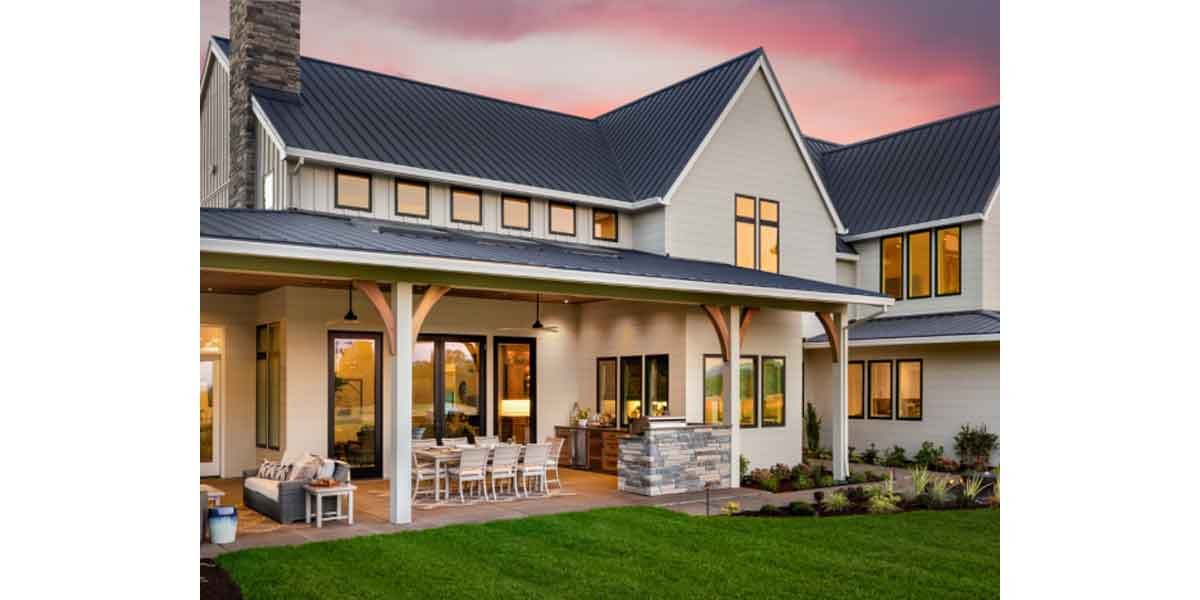
Luxury buyers increasingly consider exit strategy even at the point of purchase, recognizing that the right luxury home must function as both a personal residence and a long-term financial asset. While emotional connection and lifestyle fit are essential, properties that retain value over time share specific, measurable characteristics that influence buyer demand across different market cycles.
Value-focused considerations extend beyond immediate enjoyment to include how luxury buyers will perceive the home in the future. Design choices, layout flexibility, and location quality all play a role in determining whether a property remains competitive as buyer preferences evolve. Homes that are overly customized or tied to short-term trends may feel impressive initially, but can limit resale appeal later.
Key factors that support long-term value are:
- Architectural timelessness that remains relevant across generations
- Broad buyer appeal created by functional layouts and balanced design
- Adaptability to future lifestyle changes, such as remote work, multi-generational living, or aging in place
Luxury properties that successfully balance uniqueness with market relevance are more likely to perform consistently over time, offering buyers both lifestyle satisfaction and greater confidence in future resale potential.
Bringing Lifestyle, Location, and Value Together
Finding the right luxury home is a multi-layered process that goes far beyond surface-level appeal. Luxury buyers must consider how a property supports daily living, privacy, and comfort while also evaluating location quality, neighbourhood dynamics, and long-term financial performance. Thoughtful planning reduces the risk of buyer regret and strengthens confidence in the decision-making process.
Luxury properties are best evaluated through a combination of lifestyle alignment and market awareness. Buyers who understand how luxury homes are compared within their target market are better positioned to recognize actual value. This involves assessing quality, property history, and the broader context in which the home exists.
For many buyers, it is beneficial to search for luxury homes by top real estate agent whose expertise helps clarify priorities, interpret market conditions, and evaluate luxury properties with a strategic lens. This approach supports informed decision-making, reduces uncertainty, and enables buyers to secure the right luxury home that aligns with both current needs and future goals.