The Impact of Global Supply Chain Disruptions on Maritime Logistics
Global supply chains have become increasingly complex, interconnected, and vulnerable to disruption. Over the past decade, businesses and consumers alike have witnessed how quickly these systems can be thrown off balance. From pandemics and geopolitical tensions to natural disasters and labour shortages, disruptions can ripple across industries and continents within days.
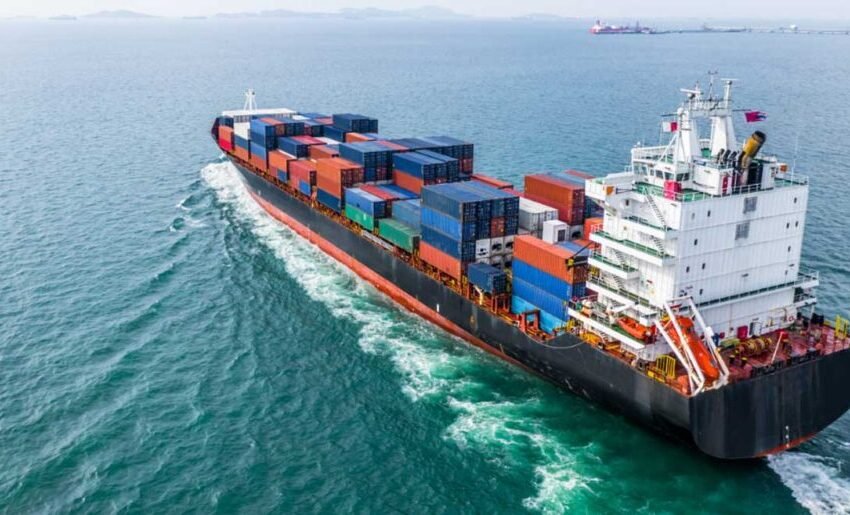
Maritime logistics sits at the heart of global trade, with around 80 per cent of goods transported by sea. When supply chains are disrupted, the effects are often most visible in shipping. Delays at ports, container shortages, fluctuating freight rates, and unpredictable delivery schedules all highlight the fragility of global logistics networks.
Understanding how these disruptions occur and how they impact maritime logistics is essential for businesses that rely on efficient international trade. It also highlights the importance of resilience, adaptability, and technology in navigating an increasingly uncertain global environment.
Understanding Global Supply Chain Disruptions
Global supply chain disruptions refer to unexpected events that interrupt the normal flow of goods, materials, and information across supply networks. These disruptions can occur at any stage, from raw material sourcing and manufacturing to transportation and final delivery.
They are often characterised by delays, increased costs, reduced availability of goods, and operational inefficiencies. While some disruptions are short term, others can have long lasting effects that reshape entire industries.
A useful overview of supply chain resilience and disruption management can be found via the World Economic Forum’s insights on supply chain resilience, which highlights how businesses must adapt to ongoing uncertainty.
Disruptions are not new. However, their frequency and scale have increased due to globalisation. Modern supply chains rely on just-in-time inventory systems, cross-border dependencies, and tightly coordinated logistics. While efficient, these systems leave little room for error when something goes wrong.
How Maritime Logistics Is Affected by Supply Chain Issues
Maritime logistics is particularly sensitive to disruptions because it operates on precise schedules and large-scale coordination. Even minor delays can cascade into significant operational challenges.
One of the most immediate impacts is shipping delays. When ports become congested or vessels are delayed, entire shipping schedules are thrown off. This can lead to missed connections, rerouting, and extended transit times.
Another major issue is cost volatility. Freight rates can fluctuate dramatically during disruptions. For example, during peak disruption periods, container shipping costs have surged to several times their normal levels. This creates financial pressure for importers, exporters, and logistics providers.
Container imbalances are also a common problem. When goods are not moving efficiently, containers can become stranded in certain regions while shortages occur elsewhere. This imbalance further exacerbates delays and increases costs.
Businesses that rely on consistent supply chains, such as retail and e-commerce, often turn to third-party logistics providers to manage these challenges. For example, this guide on how third-party logistics can help scale your e-commerce brand faster explains how outsourcing logistics can improve flexibility and resilience during periods of disruption.
Key Causes of Supply Chain Disruptions in Shipping
Several key factors contribute to global supply chain disruptions, particularly within maritime logistics.
-
Geopolitical Tensions
Trade wars, sanctions, and political instability can significantly impact shipping routes and trade volumes. Changes in regulations or tariffs can disrupt established supply chains and force companies to seek alternative routes or suppliers.
-
Pandemics and Health Crises
The COVID-19 pandemic demonstrated how quickly global supply chains can be disrupted. Port closures, reduced workforce availability, and shifting consumer demand created widespread delays and bottlenecks.
-
Natural Disasters
Events such as hurricanes, earthquakes, and floods can damage infrastructure and halt operations at key ports. Climate change is increasing the frequency and severity of such events, making this an ongoing concern.
-
Labour Shortages
Shipping and logistics rely heavily on skilled labour. Shortages of dockworkers, truck drivers, and seafarers can slow down operations and reduce capacity.
-
Equipment Shortages
Containers, chassis, and other essential equipment can become scarce during disruptions. This creates inefficiencies and delays throughout the supply chain.
-
Demand Surges and Market Volatility
Unexpected spikes in demand can overwhelm logistics networks. For example, the rapid growth of e-commerce has placed additional strain on shipping capacity and infrastructure.
Convenience retail is one sector that heavily depends on reliable supply chains. This article on how convenience stores rely on a smooth supply chain highlights the importance of consistent product flow and the risks posed by disruptions.
The Role of Port Congestion and Infrastructure Bottlenecks
Port congestion is one of the most visible and impactful consequences of supply chain disruptions. When too many vessels arrive at a port simultaneously or when operations slow down, ships can be forced to wait offshore for extended periods.
This creates a backlog that affects the entire logistics network. Delays at one major port can disrupt shipping schedules globally, as vessels are unable to maintain their planned routes and timelines.
Infrastructure limitations also play a significant role. Many ports are operating near or at full capacity, with limited ability to handle sudden increases in volume. Aging infrastructure, inefficient processes, and lack of investment can further exacerbate these issues.
According to the United Nations Conference on Trade and Development’s transport and logistics resources, improving port efficiency and infrastructure is critical for maintaining global trade flows.
In addition to physical constraints, administrative bottlenecks such as customs delays and regulatory requirements can slow down the movement of goods. Digitalisation and streamlined processes are essential to addressing these challenges.
Technology Solutions to Mitigate Supply Chain Risks
Technology is playing an increasingly important role in helping businesses manage and mitigate supply chain disruptions. By improving visibility, efficiency, and decision making, digital tools can enhance resilience across maritime logistics.
-
Real-Time Tracking and Visibility
Advanced tracking systems allow businesses to monitor shipments in real time. This improves transparency and enables quicker responses to delays or disruptions.
-
Predictive Analytics
Data-driven insights can help companies anticipate potential disruptions and plan accordingly. Predictive analytics can identify patterns, forecast demand, and optimise routing decisions.
-
Automation and Digital Platforms
Automation reduces reliance on manual processes and improves efficiency. Digital platforms streamline communication between stakeholders, including shippers, carriers, and port authorities.
-
Blockchain Technology
Blockchain can enhance transparency and security in supply chains by providing a tamper-proof record of transactions. This is particularly useful for documentation and compliance.
-
Artificial Intelligence
AI-powered tools can optimise logistics operations, from route planning to inventory management. These systems can adapt quickly to changing conditions and improve overall efficiency.
-
Diversification and Network Optimisation
Technology also supports strategic decision making, such as diversifying suppliers and shipping routes. This reduces reliance on single points of failure and increases resilience.
By adopting these technologies, businesses can better navigate disruptions and maintain continuity in their operations.
Conclusion
Global supply chain disruptions are an inevitable part of modern trade. As supply chains become more interconnected, the potential for disruption increases. Maritime logistics, as the backbone of global commerce, is particularly vulnerable to these challenges.
From port congestion and equipment shortages to geopolitical tensions and demand volatility, the impacts are wide-ranging and often complex. However, they also present an opportunity for innovation and improvement.
Investing in technology, strengthening infrastructure, and adopting more flexible supply chain strategies are key to building resilience. Businesses that proactively address these challenges will be better positioned to thrive in an uncertain global environment.
Frequently Asked Questions
What are global supply chain disruptions?
Global supply chain disruptions are unexpected events that interrupt the normal flow of goods and materials across supply networks. These disruptions can result in delays, increased costs, and reduced availability of products.
How do supply chain disruptions impact maritime logistics?
Supply chain disruptions affect maritime logistics by causing shipping delays, increasing freight costs, creating container imbalances, and leading to port congestion. These issues can disrupt schedules and reduce overall efficiency.
How can technology help mitigate supply chain disruptions?
Technology helps mitigate disruptions by improving visibility, enabling real-time tracking, supporting predictive analytics, and automating processes. These tools allow businesses to respond quickly to challenges and optimise their logistics operations.