Essential Car Maintenance Tips Before Embarking on a Long Road Trip
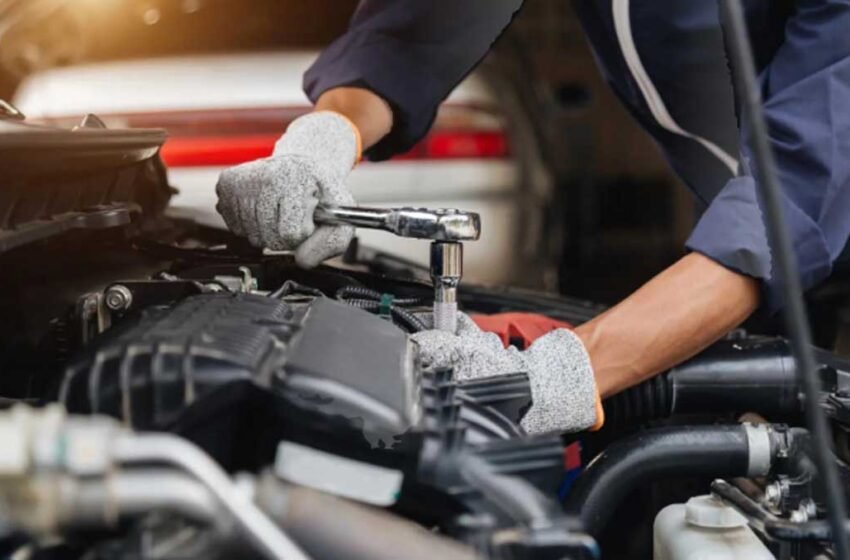
Planning a long road trip is often filled with excitement. Whether you are heading across New Zealand’s scenic highways, exploring Australia’s vast outback roads, or simply travelling between cities, the journey itself is a big part of the adventure. However, one factor that can quickly turn a dream trip into a stressful experience is poor vehicle preparation. Car maintenance is not just about avoiding breakdowns; it is about safety, comfort, fuel efficiency, and peace of mind.
Before you load up the boot and set off, taking the time to prepare your vehicle properly can make all the difference. From checking tyres and fluids to understanding when a rental car might be the smarter option, this guide covers the essential car maintenance tips you should follow before embarking on a long road trip.
Why Pre-Trip Car Maintenance Matters
Long-distance driving places far more strain on your vehicle than everyday commuting. Extended hours on the road, varying terrain, changing weather conditions, and heavier loads all increase the likelihood of mechanical issues if your car is not well maintained.
Proper pre-trip maintenance helps to reduce the risk of breakdowns in unfamiliar or remote locations. This is especially important in parts of New Zealand and Australia where service stations can be few and far between. A well-prepared vehicle also improves fuel efficiency, reduces emissions, and ensures key safety systems such as brakes and tyres perform as they should.
There is also a financial benefit. Preventative checks are almost always cheaper than emergency repairs or roadside assistance. Spending a little time and money before you leave can help avoid costly delays, accommodation changes, or ruined travel plans.
Essential Car Maintenance Tips Before a Long Road Trip
1.Check Your Tyres Thoroughly
Tyres are one of the most critical components of road trip safety. Before setting off, inspect all tyres including the spare. Look for signs of uneven wear, cracks, bulges, or objects lodged in the tread.
Tyre pressure should be checked when the tyres are cold and adjusted to the manufacturer’s recommended levels. Underinflated tyres reduce fuel efficiency and increase the risk of blowouts, while overinflated tyres can compromise handling and braking. For longer trips or heavily loaded vehicles, some manufacturers recommend slightly higher pressures.
For additional guidance on tyre safety and maintenance, resources like the New Zealand Automobile Association provide practical advice for drivers planning long journeys.
2.Inspect Brakes and Suspension
Brakes endure significant stress during long drives, especially when travelling through hilly or mountainous regions. If you notice squealing, grinding, vibration, or reduced braking responsiveness, have your brakes inspected before your trip.
Suspension components such as shocks and struts also play a role in stability and tyre wear. Worn suspension can lead to poor handling and driver fatigue. If your car feels bouncy or unstable, a professional check is recommended.
3.Test the Battery and Electrical Systems
Car batteries often fail without much warning, particularly if they are nearing the end of their lifespan. Long trips that involve frequent stops, lights, navigation systems, and device charging can put additional strain on the battery.
Have the battery tested and ensure terminals are clean and secure. Understanding how modern vehicles rely on quiet and efficient power systems can also be helpful, particularly as cars become more technologically advanced. This article on silent running car batteries in the world of quiet vehicles offers useful insight into how batteries support modern driving demands.
4.Top Up and Inspect All Fluids
Fluids keep your car running smoothly and efficiently. Before a long road trip, check and top up the following:
- Engine oil
- Coolant
- Brake fluid
- Transmission fluid
- Power steering fluid
- Windscreen washer fluid
Low or dirty fluids can lead to overheating, mechanical damage, or reduced braking performance. Coolant is particularly important for long-distance driving in warmer climates, where engines are more prone to overheating.
5.Examine Lights, Wipers, and Visibility
Visibility is essential for safe driving, especially when travelling at night or in poor weather conditions. Check that all headlights, brake lights, indicators, and hazard lights are functioning correctly.
Wiper blades should clear the windscreen effectively without streaking. If they are worn or brittle, replace them before your trip. Clean the windscreen inside and out, and ensure mirrors are properly adjusted.
6.Assess Belts, Hoses, and Filters
Belts and hoses are often overlooked but play a vital role in engine operation. Look for cracks, fraying, or signs of wear. A failed belt or hose can cause immediate breakdowns and overheating.
Air filters and cabin filters should also be checked. A clean air filter improves engine efficiency, while a clean cabin filter ensures better air quality inside the vehicle, which is particularly important on long drives.
7.Pack an Emergency Kit
Even with thorough preparation, unexpected situations can arise. A basic emergency kit should include:
- A first aid kit
- Jumper cables
- A torch
- Basic tools
- Water and non-perishable snacks
- A phone charger or power bank
Being prepared can make a significant difference if you experience delays or minor issues on the road.
8.Consider a Rental Car for Long Road Trips
For many travellers, especially those planning extensive journeys across New Zealand or Australia, renting a car can be a practical and stress-free alternative to using a personal vehicle.
Reputable rental car brands in both countries carry out comprehensive pre-trip inspections as part of their standard processes. These checks typically include tyres, brakes, fluids, batteries, lights, and general roadworthiness. This means you can start your trip knowing the vehicle has already been professionally maintained and serviced.
Rental cars also offer the advantage of newer models with modern safety features, better fuel efficiency, and roadside assistance coverage. For travellers who want to focus on the journey rather than vehicle upkeep, this can be a major benefit.
When planning longer travel, it is also helpful to think about broader preparation beyond just the car. Guides like these essential tips for a worry-free trip abroad highlight how advance planning can reduce stress and improve the overall travel experience.
Conclusion
A long road trip should be memorable for the right reasons. By taking the time to prepare your vehicle properly, you significantly reduce the risk of breakdowns, safety issues, and unnecessary stress. From tyres and brakes to batteries and fluids, each check plays a role in ensuring your journey is smooth and enjoyable.
For those who prefer a more hands-off approach, rental cars in New Zealand and Australia offer a convenient solution, with professional maintenance and safety checks handled for you. Whether you are driving your own car or choosing a rental, thoughtful preparation is the key to travelling with confidence.
Frequently Asked Questions
How far in advance should I prepare my car for a long trip?
Ideally, you should begin preparing your car one to two weeks before departure. This allows enough time to address any issues that arise and to schedule professional inspections or repairs if needed. A final check a day or two before leaving is also recommended.
How do I prepare my tyres for a long journey?
Start by checking tyre pressure, tread depth, and overall condition, including the spare tyre. Adjust pressures according to manufacturer guidelines and consider the added weight of luggage. If tyres show signs of significant wear or damage, replace them before your trip.
Should I get a professional inspection before a long trip?
Yes, a professional inspection is highly recommended, especially if your car has not been serviced recently. A qualified mechanic can identify potential problems that may not be obvious during a basic visual check. Alternatively, choosing a rental car can eliminate this step, as rental providers carry out these inspections for you.