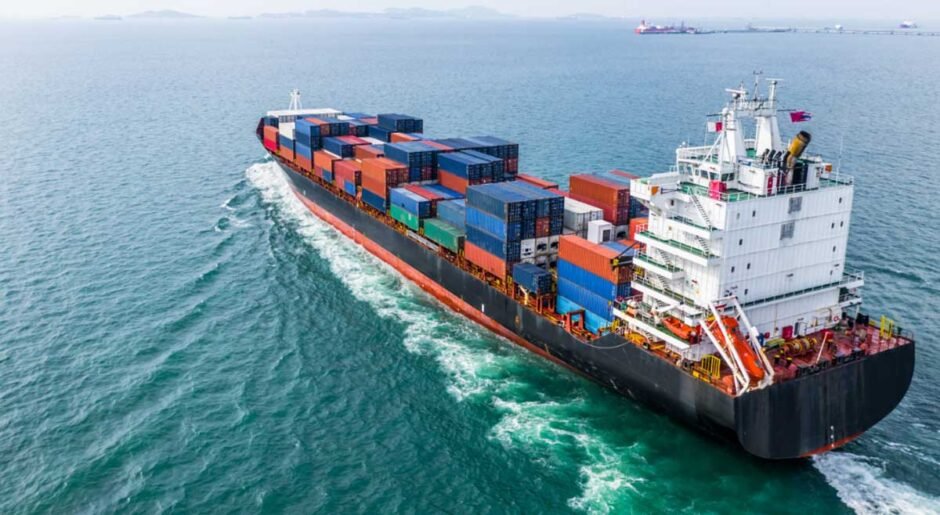
Green Shipping: How LNG and Hydrogen Are Transforming Maritime Fleets
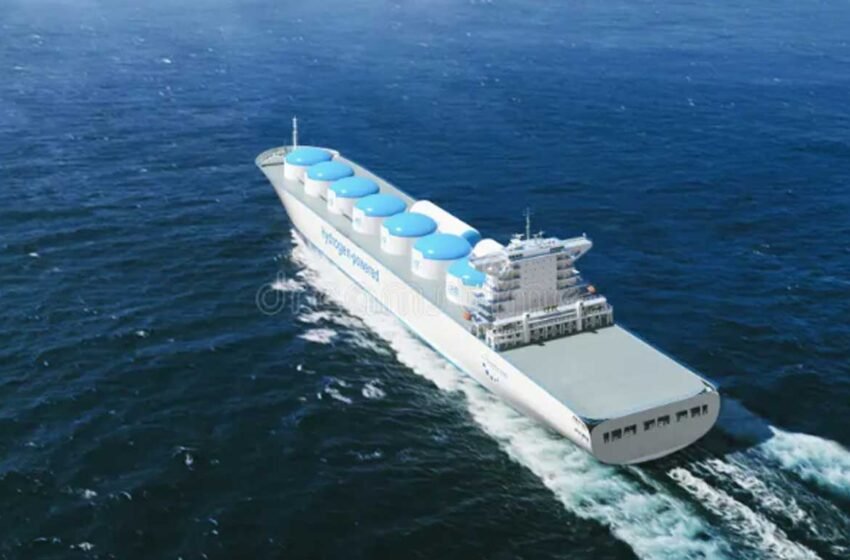
The global shipping industry moves more than 80 percent of the world’s traded goods, making it one of the most important sectors in the global economy. However, this vast network of cargo vessels, tankers, and container ships also contributes significantly to global greenhouse gas emissions. As pressure grows to reduce environmental impact and comply with stricter regulations, the industry is undergoing a major shift toward cleaner technologies and fuels.
Green shipping has become a key priority for shipowners, regulators, and technology developers. Alternative fuels such as liquefied natural gas (LNG) and hydrogen are emerging as viable solutions for reducing emissions and improving the sustainability of maritime operations. These fuels, combined with improved vessel design and smarter operational practices, are transforming how maritime fleets operate.
This article explores what green shipping means, why it matters, and how LNG and hydrogen are playing a central role in reshaping the future of maritime transport.
What Is Green Shipping and Why It Matter
Green shipping refers to the adoption of environmentally friendly practices, technologies, and fuels that reduce the environmental impact of maritime transportation. The goal is to lower greenhouse gas emissions, minimize ocean pollution, and improve the overall sustainability of global shipping operations.
Historically, ships have relied on heavy fuel oil and marine diesel. These fuels are inexpensive and energy dense, but they produce large amounts of carbon dioxide, sulfur oxides, nitrogen oxides, and particulate matter. As awareness of climate change grows, governments and international organizations are introducing regulations to address these environmental challenges.
One of the most influential bodies in this space is the International Maritime Organization (IMO), which has set ambitious targets to reduce greenhouse gas emissions from international shipping. According to the IMO’s decarbonization strategy, the industry aims to achieve net zero emissions by around 2050. You can learn more about these goals in the IMO’s official strategy document here.
These targets are pushing shipping companies to rethink traditional fuel sources and invest in cleaner alternatives. LNG and hydrogen are two of the most promising options currently under development and deployment.
The Role of LNG in Reducing Shipping Emissions
Liquefied natural gas has quickly become one of the most widely adopted alternative fuels in shipping. LNG is natural gas that has been cooled to approximately minus 162 degrees Celsius, turning it into a liquid that can be transported and stored efficiently.
When used as a marine fuel, LNG offers several environmental benefits compared with traditional heavy fuel oil.
First, LNG produces significantly fewer sulfur oxide emissions. In fact, sulfur emissions are almost entirely eliminated when LNG is used as a marine fuel. This makes LNG an effective way for ship operators to comply with strict emission regulations in designated emission control areas.
Second, LNG reduces nitrogen oxide emissions by up to 85 percent and particulate matter by around 98 percent. Carbon dioxide emissions can also be reduced by roughly 20 to 25 percent depending on the engine design and operational conditions.
These benefits have made LNG an attractive transitional fuel for shipping companies that want to reduce their environmental footprint without completely redesigning their fleets.
Many modern container ships, cruise ships, and ferries are now being built with dual fuel engines that can operate on both LNG and conventional marine fuels. This flexibility allows operators to transition gradually while maintaining operational reliability.
The growing LNG infrastructure is also supporting this shift. Major ports around the world are investing in LNG bunkering facilities, making it easier for vessels to refuel during international voyages.
Comparing LNG and Hydrogen for Maritime Fleets
While LNG is already being widely used in shipping, hydrogen is emerging as a longer term solution for achieving near zero emissions in maritime transport.
Hydrogen can be used in ships either through combustion engines or fuel cells. When hydrogen is used in fuel cells, the only byproducts are electricity, heat, and water vapor. This makes hydrogen one of the cleanest energy sources available for transportation.
However, hydrogen adoption in shipping is still in its early stages. Storage and infrastructure challenges currently limit its widespread use. Hydrogen has a much lower energy density than traditional marine fuels, which means vessels need larger storage tanks to achieve the same range.
Despite these challenges, research and investment in hydrogen technology are accelerating. According to the International Energy Agency, hydrogen could play a significant role in decarbonizing hard to electrify sectors such as shipping and aviation. The IEA provides further insight into hydrogen’s potential here.
When comparing LNG and hydrogen, it is helpful to view them as part of a transition pathway rather than competing technologies.
LNG offers immediate emissions reductions and can be implemented using existing technology. Hydrogen represents a longer term solution that could deliver near zero emissions once infrastructure and production methods mature.
Many maritime experts expect fleets to use a combination of fuels over the coming decades, including LNG, hydrogen, ammonia, and advanced biofuels.
Benefits of Green Shipping for Fleet Operators
Transitioning to greener fuels and technologies offers a range of benefits for shipping companies beyond environmental compliance.
Regulatory Compliance
Stricter environmental regulations are being introduced globally, including emissions limits and carbon reduction targets. Adopting cleaner fuels allows fleet operators to meet these requirements while avoiding potential penalties and restrictions.
Competitive Advantage
Sustainability is becoming an important factor in supply chain decisions. Many large manufacturers and retailers now prioritize environmentally responsible shipping partners.
Companies that invest in green technologies can position themselves as leaders in sustainable logistics and attract environmentally conscious clients.
Long Term Cost Efficiency
Although alternative fuel technologies often require significant upfront investment, they can lead to lower operational costs over time. Improved fuel efficiency, reduced emissions penalties, and access to green financing can all contribute to long term savings.
Stronger Environmental Reputation
Reducing emissions and pollution demonstrates corporate responsibility and helps companies build trust with customers, regulators, and investors.
Sustainability initiatives across industries highlight how environmental improvements can also deliver operational efficiencies. For example, sustainable technology strategies such as board level repairs that help reduce electronic waste in businesses demonstrate how operational changes can significantly lower environmental impact. Similar principles apply to the maritime sector as fleet operators look for ways to reduce emissions and waste.
Another example can be seen in environmental recycling initiatives such as recycling used cooking oil to support sustainable energy and environmental protection. These initiatives illustrate how industries across the economy are adopting circular approaches that reduce waste and support sustainability goals.
Challenges and Limitations of Alternative Fuel Adoption
Despite the promising benefits of LNG and hydrogen, several challenges remain before green shipping becomes the global standard.
Infrastructure Development
Alternative fuels require specialized storage, handling, and refueling infrastructure. While LNG bunkering facilities are expanding rapidly, hydrogen infrastructure remains limited in most ports.
Building the necessary supply chains will require significant investment and collaboration between governments, port authorities, and private companies.
High Initial Costs
New vessels designed for alternative fuels are typically more expensive than conventional ships. Retrofitting existing fleets can also be costly, particularly for older vessels.
However, many governments are introducing incentives and financing programs to encourage adoption of cleaner technologies.
Fuel Production and Availability
For hydrogen to be truly sustainable, it must be produced using renewable energy sources such as wind or solar power. This form of hydrogen, known as green hydrogen, is currently more expensive and less widely available than conventional hydrogen produced from natural gas.
Scaling up renewable hydrogen production will be critical to the long term success of hydrogen powered shipping.
Technology Maturity
Hydrogen fuel cell systems and large scale storage solutions are still evolving. Continued research, testing, and demonstration projects are necessary before these technologies can be widely adopted across global fleets.
Conclusion
Green shipping is no longer a distant goal. It is rapidly becoming a central part of the maritime industry’s future. As environmental regulations tighten and sustainability becomes a priority for global trade, shipping companies are investing heavily in cleaner fuels and innovative technologies.
LNG is currently leading the transition by offering immediate emissions reductions and practical implementation for modern vessels. At the same time, hydrogen holds enormous promise as a zero emission fuel that could reshape the long term future of maritime transport.
While challenges such as infrastructure development and technology costs remain, continued innovation and global collaboration are accelerating the transition toward greener maritime fleets.
For fleet operators, the shift to alternative fuels is not just about meeting environmental targets. It is about future proofing their businesses, improving operational efficiency, and contributing to a more sustainable global shipping industry.
Frequently Asked Questions
How does LNG reduce emissions in shipping?
LNG produces significantly fewer harmful emissions compared with traditional marine fuels. It virtually eliminates sulfur oxide emissions, reduces nitrogen oxide emissions by up to 85 percent, and lowers carbon dioxide emissions by around 20 to 25 percent. This makes LNG one of the most effective transitional fuels currently available for reducing shipping emissions.
What are hydrogen-powered vessels?
Hydrogen powered vessels use hydrogen as a fuel source either through combustion engines or hydrogen fuel cells. Fuel cells generate electricity through a chemical reaction between hydrogen and oxygen, producing water vapor as the only byproduct. This allows ships to operate with little or no direct greenhouse gas emissions.
Which is better for green shipping: LNG or hydrogen?
Both fuels play important roles in the transition to sustainable shipping. LNG is widely available and can significantly reduce emissions today. Hydrogen has the potential to deliver near zero emissions in the future once production, storage, and infrastructure challenges are addressed. Many experts believe the maritime industry will use a combination of fuels as it moves toward full decarbonization.