More Than Just Germs: Physical and Chemical Hazards in Hospitals
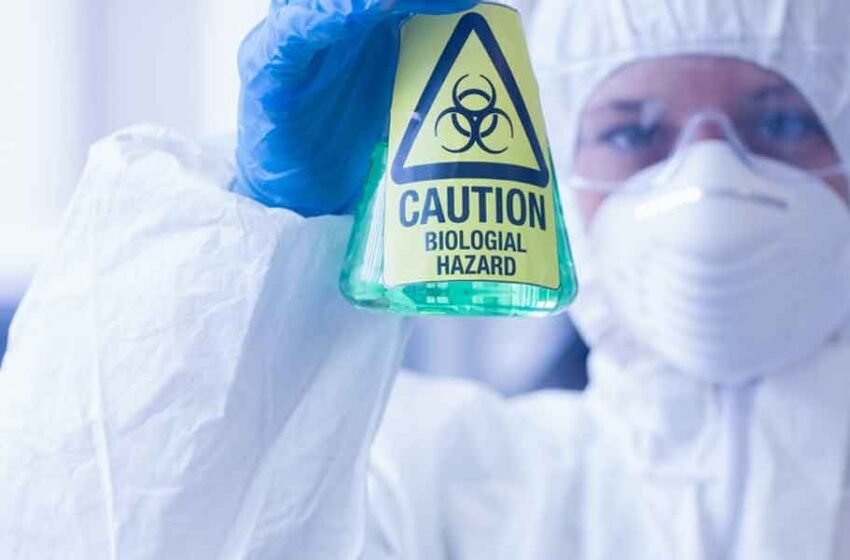
When most people imagine hospital dangers, they picture microscopic bacteria waiting to leap from bed rails or doorknobs. Yet the modern healthcare environment brims with far more than infectious threats. From freshly mopped corridors to vials of volatile solvents, hospitals house a spectrum of physical and chemical hazards that can injure staff and patients alike.
Understanding these risks—and the straightforward steps that reduce them—keeps care settings safe, efficient, and genuinely healing.
Slippery Floors and Hidden Obstacles
A hospital never truly sleeps, and round-the-clock activity means gurneys, IV poles, and supply carts are always on the move. Fresh spills from ice chips, antiseptics, or a toppled specimen cup can transform an otherwise orderly hallway into a treacherous rink. Add dim night-shift lighting or a distracted visitor, and slip-and-fall injuries become all too common.
Simple measures—fast-acting absorbent pads, clearly marked wet-floor signs, and strict “clean-as-you-go” policies—dramatically cut incident rates. Equally vital is clutter control: cords routed overhead or beneath rubber guards, supplies returned promptly to storage, and emergency equipment arranged so pathways stay clear even during a chaotic code.
Radiation and Noise: Invisible Stressors
Diagnostic imaging suites and interventional theaters expose staff to low levels of ionizing radiation throughout each shift. While single exposures are small, cumulative doses can raise long-term cancer risk. Lead aprons, mobile shields, and dosimeter badges remain the frontline defense, but culture matters just as much; when senior clinicians model proper shielding, new hires follow suit.
Noise poses another unseen hazard. Alarms, ventilators, and hurried conversations can exceed 85 dB, the threshold tied to gradual hearing loss. Positioning nurse stations away from constant beeping, instituting “quiet zones” near neonatal or cardiac units, and maintaining equipment so bearings and fans hum rather than roar all help preserve staff focus and ear health.
Toxic Chemicals in Everyday Care
Hospitals rely on potent disinfectants, sterilants, and cytotoxic drugs to save lives. Yet the very solutions that eradicate pathogens can irritate lungs and skin if used carelessly. Glutaraldehyde vapors, for instance, inflame respiratory tissue, while trace amounts of chemotherapeutic agents linger on countertops long after infusion bags are discarded.
Engineering controls—ventilated hoods, negative-pressure rooms, sealed waste containers—pair with administrative safeguards such as staff rotation and rigorous wipe-downs to keep exposures far below harmful limits. Crucially, every container must be labeled in plain language, not merely a cryptic code, so anyone—from a seasoned pharmacist to a visiting resident—knows exactly what they are handling.
Cleaning Agents and Waste Anesthetic Gases: A Double-Edged Sword
Environmental-services teams disinfect hundreds of surfaces daily, and operating-room staff breathe residual anesthetic gases that scavenging systems don’t fully capture. Bleach solutions mixed too strongly can corrode metal instruments and trigger asthma attacks; meanwhile, trace sevoflurane may contribute to headaches or nausea for clinicians lingering near recovery bays.
Hospitals that integrate low-VOC cleaners, routinely calibrate scavengers, and schedule air-exchange audits stay ahead of these problems. Consulting the OSHA Violations, Citations, & Fines List reminds administrators that lax oversight carries financial as well as human costs, reinforcing the value of proactive safety programs.
Conclusion
Hospitals heal, but they can also harm when physical and chemical hazards go unchecked. By viewing safety as a living system—one that spans tidy corridors, shielded imaging suites, well-ventilated pharmacies, and meticulously maintained ORs—healthcare leaders protect the very professionals who make recovery possible. After all, safeguarding staff and patients is not an extra duty; it is the foundation on which quality care is built.