Safe & Comfortable Living for People with Chronic Pain: Insights from Physiotherapy

Living with chronic pain frequently requires more awareness than most people realise when going about their daily lives. Simple activities like standing at the kitchen counter, bending to reach a cupboard, getting out of a chair, or taking a shower can put additional strain on already-strained joints and muscles.
The overall design and set up of the house has a greater impact on comfort than most people realise, especially for those who have osteoarthritis, fibromyalgia, chronic back pain, or stiffness from previous injuries. The body moves more easily, and daily chores become a little simpler when the environment feels supportive.
Everyday Home Setups That Quietly Add Stress to the Body
A lot of discomfort comes from the environment. Very soft seating that causes slouching, the discomfort usually appears later, long after sitting. A quick reach to a high shelf, twisting slightly to grab something behind the body, or bending repeatedly for low cupboards. Chilly areas of the house can tighten muscles and stiffen joints. Dim lighting often makes people lean forward, tilt the head, or shorten their stance. These subtle body movements create tension that lingers through the upper back and shoulders.
Home Adjustments That Support More Comfortable Movement
People often describe the same routine: sitting down feels fine, but standing up is the real struggle. Low, sinking sofas or soft cushions feel comfortable at first… but not for long.
Supportive seating can make a surprising difference:
- A firm chair that doesn’t swallow the body.
- Armrests that help take pressure off the knees.
- A small lumbar cushion that encourages a taller, calmer spine.
- A seat height that lets the feet rest solidly on the floor.
- Storing items where the body moves naturally.
It’s simple: when furniture works with the body, the body stops fighting back. According to posture guidance from the Mayo Clinic, natural spinal alignment reduces the muscle guarding and fatigue that often make pain worse.
Comfort Through Temperature, Light and Quiet
People with chronic pain often say the same thing: “I know when the weather’s changing because my body tells me before the forecast does.” Temperature and environmental comfort matter more than most realise.
Simple improvements can help avoid these triggers:
- Steady indoor temperature to prevent sudden muscle tightening.
- Reduced drafts from doors and windows to avoid cold-related stiffness.
- Softer lighting that doesn’t strain tired eyes or sensitive nerves.
- Quieter rooms that don’t overwhelm the senses during high-pain moments.
Even small updates to insulation, like installing uPVC windows, can make a noticeable difference by keeping heat stable and blocking outside noise, creating a calmer backdrop for days when the body already feels heavy.
A Small Area for Gentle Movement
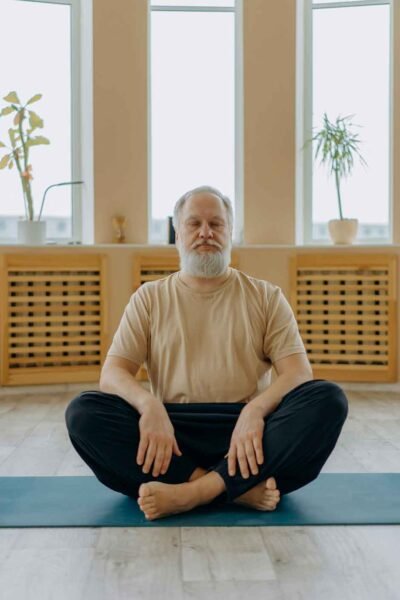
The problem is, when pain is constant, movement feels like something to avoid. One of the most helpful physiotherapy principles for chronic pain is simple: keep moving, but move gently. A dedicated corner with enough space to stretch or complete physiotherapy exercises encourages daily mobility.
A stable chair, a mat, or a quiet corner with enough room to move can make exercises easier to start and easier to stick with. Some people place a resistance band near the spot where they watch TV or keep a small cushion near the bed to support morning stretches.
Final Thoughts
A home doesn’t need a full redesign to feel better for a body that’s already working hard. Most improvements come from observing what feels uncomfortable and adjusting it with intention. When the environment feels safe, supportive, and easier on the joints, the body responds with steadier progress and fewer setbacks. Over time, these small shifts help turn daily routines into moments of comfort instead of sources of stress.